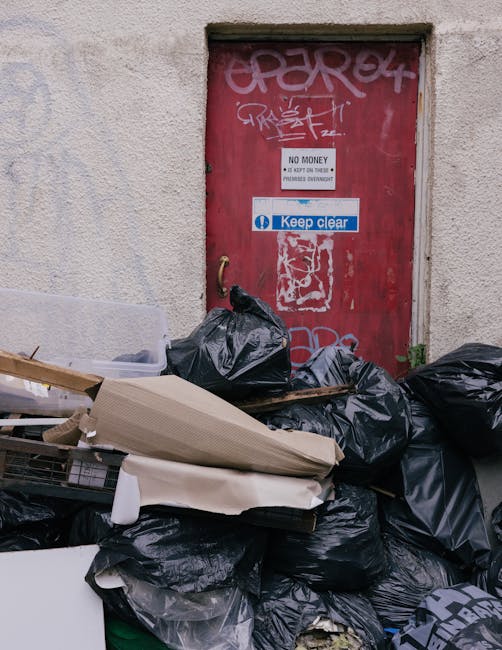
Do I need a permit for builders' waste in Lewisham?

If you are planning a refurb, ripping out a kitchen, or clearing up after a messy DIY weekend, the permit question tends to show up fast. Do I need a permit for builders' waste in Lewisham? In many cases, the answer depends on how you store, move, and present the waste rather than the waste itself. That is the bit people often miss. Builders' waste can be perfectly legal to deal with, but the moment it sits on a public road, pavement, or another shared space, permit rules may come into play.
This guide breaks the topic down in plain English. You will see when a permit is usually needed, when it may not be, what Lewisham residents should watch out for, and how to avoid the sort of admin headache that turns a simple clearance into a slow, annoying one. If you want a smoother route, it can also help to compare your options with a proper builders' waste clearance service or broader waste removal support.
Truth be told, most permit problems are not about the waste at all. They are about where it goes, how long it stays there, and who is responsible for it once the skip, bag, or pile is in place. Let's get into it.
Why Do I need a permit for builders' waste in Lewisham? Matters
Permit rules matter because builders' waste is rarely a neat, private matter once a project starts. Bags of rubble, old plasterboard, broken tiles, timber offcuts, and scrap materials can take up a surprising amount of room. One skip or pile can narrow a road edge, block access, or create a hazard for pedestrians and vehicles. In a busy borough like Lewisham, that can become a real issue pretty quickly.
There are also practical consequences. If you put waste somewhere public without the right permission, you may face delays, extra fees, or being told to move it immediately. That can leave you with a half-finished job, a contractor waiting around, and a site that looks worse before it looks better. Nobody wants that. Not on a rainy Tuesday morning, anyway.
Another reason it matters is responsibility. Builders' waste is classed as controlled waste, so the person arranging its removal should think carefully about where it goes and who takes it. If a contractor says "we'll sort it" but the waste is not handled correctly, the mess often lands back in your lap. A clear plan protects you from that awkward moment.
Expert summary: If builders' waste stays entirely on private property and is collected legally, a permit is often not the issue. If it occupies a public highway, pavement, or similar shared space, permit rules are much more likely to matter. The location is usually the deciding factor.
For larger renovations, it may also be worth checking whether the overall job fits better with a one-off clearance plan through builders' waste clearance rather than juggling multiple trips yourself. It can save time, and honestly, it saves a fair bit of stress too.
How Do I need a permit for builders' waste in Lewisham? Works
The short version: a permit is usually about placement, not the waste type alone. In practice, the main question is whether your builders' waste is being stored on land that is public or private.
If you are using a skip, skip bag, or any container on a public road or pavement, a permit is commonly required. The permit is typically linked to the placement of the container and how long it stays there. If the waste stays fully within your own boundary, for example on a driveway or private yard, a permit may not be needed. But that does not mean you can ignore local rules altogether. Access, pavement safety, and collection logistics still matter.
There are a few common situations:
- Skip on the road: a permit is usually needed.
- Skip on private land: a permit may not be needed, provided there is enough safe space.
- Builders' bags on the pavement: this can still trigger permission issues, depending on placement and duration.
- Waste loaded directly by a clearance team: if they collect and remove it without leaving a container in public space, permits may be less of a concern.
That last point is useful. A lot of people assume they must organise a skip, but that is not always the simplest route. If the waste can be collected directly, a service like waste removal may be more efficient than arranging storage on the street, especially where parking is tight.
To be fair, the details can vary depending on the size of the container, the road layout, and whether the vehicle needs to stop on a public highway. If you are unsure, ask the provider to explain exactly where the waste will sit, who arranges permissions, and what happens if access is awkward. Simple question. Big difference.
Key Benefits and Practical Advantages
Getting the permit question right is not just about avoiding trouble. It can make the whole job smoother.
- Less risk of delays: if permission is sorted early, you avoid last-minute stop-start chaos.
- Better safety: proper placement keeps pavements, entrances, and driveways safer for everyone.
- Cleaner site management: knowing where waste will go helps the rest of the project stay organised.
- Reduced stress: there is something oddly calming about not having a growing pile of rubble looming at the front of the house.
- More predictable costs: fewer unexpected changes often means fewer extra charges.
There is also a compliance benefit that people underestimate. If you are using a professional service, clear handling and traceability matter. That includes safe collection, proper transport, and sensible disposal routes. You can read more about the company's approach through its recycling and sustainability information and insurance and safety details.
In real life, the biggest win is usually convenience. A permit process sounds minor until you are standing outside with builders waiting, neighbours asking questions, and dust in the air. Then it suddenly matters a lot.
Who This Is For and When It Makes Sense
This topic matters to a surprisingly wide mix of people. If you are doing any of the following in Lewisham, it is worth checking permit requirements before you start:
- homeowners carrying out a kitchen, bathroom, or extension project
- landlords clearing renovation debris after tenant works
- builders and tradespeople managing site waste
- developers working on small domestic or mixed-use jobs
- DIYers with more rubble than they expected, which happens more often than people admit
It makes sense to ask about permits early if your property has no driveway, very limited access, or a narrow front area. Terraced streets and shared access routes can be awkward. A skip or container that seems harmless on paper may end up blocking something important. And on some roads, parking pressure alone can make a simple job feel overcomplicated.
This is also relevant if you are comparing methods. For example, if you are clearing out mixed waste from a property and it is not all hardcore or rubble, you might be better off with a broader domestic clearance such as home clearance or house clearance rather than trying to force everything into one container plan.
And if your project is commercial rather than domestic, the rules around responsibility and collection planning can become even more important. In that case, business waste removal may be the better fit.
Step-by-Step Guidance
If you want a practical way to work through the permit question, use this process. It is not glamorous, but it works.
- Identify the waste type. Builders' waste can include rubble, timber, plasterboard, tiles, packaging, fixtures, and mixed renovation debris. Mixed loads can affect the best removal method.
- Check where the waste will be stored. Private driveway? Front garden? Public road? Pavement? This is the big decision point.
- Measure the space properly. Don't eyeball it. A skip that looks "fine" from the doorway can turn into a tight squeeze once it arrives.
- Ask who handles the permit. If a permit is needed, find out whether the skip provider, clearance company, or property owner is responsible.
- Confirm access and timing. Delivery windows, collection windows, and parking restrictions all affect the job.
- Keep waste separated where possible. Sorted waste is usually easier to manage, and it may support better recycling outcomes.
- Get the removal method in writing. Not in a dramatic legal sense, just enough to make sure everyone agrees on what will happen and when.
One useful habit: take a couple of photos of the access point before the job starts. It sounds a bit overcautious, maybe even mildly nerdy, but it helps if you later need to explain width, slope, or obstructions. We have all seen jobs where a wheelie bin, a low wall, and a car mirror suddenly become the main event.
If the waste is bulky or mixed, and you want a smoother all-in-one service, you may want to review the company's pricing and quotes approach before deciding. Knowing the cost structure upfront makes the permit decision easier.
Expert Tips for Better Results
Here are the things that tend to make the biggest difference in real jobs.
- Book early. Permit lead times and delivery slots can tighten fast, especially during busy building periods.
- Leave room for access. Even if a container fits, the vehicle still needs safe delivery access. That gets overlooked a lot.
- Plan for the wet stuff. Rain changes how rubble, timber, and plasterboard behave. It also makes access messier, which is just part of life in London.
- Ask about prohibited materials. Not all builders' waste can go together. Some materials need separate handling.
- Think beyond removal. The aim is not just to get waste off site, but to do it in a way that keeps the project moving.
One small but useful tip: if your renovation is on a tight schedule, line up removal before demolition starts, not after. That way you are not staring at a growing pile of debris while the rest of the work waits. Timing matters more than people think.
And if you are dealing with other household items at the same time, such as old wardrobes, broken furniture, or garage clutter, it can be more efficient to combine the job with related services like furniture disposal or garage clearance. Sometimes the smartest move is simply to stop pretending every item belongs in a separate mini-project.
Common Mistakes to Avoid
This is where people often trip up. Usually not because they are careless, just because the rules are a bit more practical than obvious.
- Assuming a permit is never needed. If waste or a container goes on public land, that assumption can backfire quickly.
- Forgetting about access space. A driveway may be too short, too narrow, or too soft for heavy use.
- Mixing the wrong materials. Different waste streams can affect how the load is handled.
- Leaving it until the last minute. This creates stress, and stress makes everything feel harder than it is.
- Not confirming who is responsible. If there is a permit issue, everyone will suddenly be pointing at everyone else. Not ideal.
Another common one: people compare waste options only on price and ignore the logistics. Fair enough, budgets matter. But a cheap skip that needs a permit, parking suspension, and three awkward phone calls may not be cheap in the end. Sometimes "cheaper" is just more admin wearing a fake moustache.
Tools, Resources and Recommendations
You do not need specialist software or a box full of gadgets. A few simple tools and checks are usually enough.
- Measuring tape: useful for checking driveway width, access gaps, and container space.
- Phone camera: handy for recording access, before-and-after conditions, and awkward entrances.
- Basic site note: jot down the waste type, collection date, and any restrictions.
- Clear communication: perhaps the best tool of all. Ask direct questions and get clear answers.
For readers comparing services, it can help to look at a company's policies as a trust signal. Pages such as about us, terms and conditions, and health and safety policy give a sense of how the work is handled. That kind of detail matters when you are putting waste, property access, and timing in someone else's hands.
If you prefer to speak directly, the company's contact page is the straightforward route. No drama, just ask the questions that matter to your job.
Law, Compliance, Standards, or Best Practice
Strictly speaking, whether you need a permit depends on the specific setup, but there are a few compliance principles that nearly always apply.
First, builders' waste should be managed responsibly and not left in a way that creates danger or nuisance. If the waste is in a public space, you should assume permission and proper placement are important. Second, the waste should be collected and transported by a provider that follows proper waste handling practice. Third, if you are hiring a contractor, the arrangement should be clear enough that you know who is doing what.
Best practice in the UK generally means:
- keeping waste contained and secure
- avoiding obstruction of pavements, roads, and access points
- separating hazardous or restricted materials where needed
- using a reputable provider with insurance and safe working practices
- making sure the route from site to removal is lawful and practical
That last point is easy to ignore. A lot of people focus on the pile itself, but the chain from collection to disposal is what keeps things compliant. If you want more reassurance on operational standards, the company's insurance and safety information and recycling and sustainability commitments are worth reviewing.
One careful note: local rules and permit processes can change, so it is always sensible to confirm the exact requirements for your property and your planned setup before the waste is delivered. That is the boring answer, but it is the right one.
Options, Methods, or Comparison Table
There is more than one way to handle builders' waste in Lewisham. The best choice depends on space, timing, and how much effort you want to spend managing the job yourself.
| Method | When it suits | Permit likely? | Pros | Watch-outs |
|---|---|---|---|---|
| Skip on private land | Driveways, yards, secure private access | Often not | Convenient, simple if space is available | Needs enough room and safe access |
| Skip on road | Homes with no private access | Usually yes | Works where private space is limited | Permission, timing, and parking considerations |
| Direct waste clearance | Fast project clean-ups, mixed loads, awkward access | Often not the same issue | Less admin, less on-street storage | Needs organised collection and clear waste description |
| Full property clearance | Renovation plus household or garage clutter | Depends on setup | Good for mixed waste and bulky items | May be overkill for small rubble-only jobs |
In a lot of Lewisham streets, the direct clearance route is easier than people expect. If you are already juggling dust sheets, trades arriving early, and old fittings being pulled out with a thud, reducing the extra admin can be a relief. A real one.
Case Study or Real-World Example
A typical Lewisham scenario goes like this. A homeowner is renovating a small terrace house and plans to remove an old kitchen, some tiles, and a pile of plasterboard. At first, the idea is to put everything in a skip on the street because there is no driveway. Then the practical problems appear: parking is tight, the road is narrow, and the job is due to run over two weekends.
After reviewing the layout, they realise that a container on public land would likely need permission and create extra timing pressure. Instead, they choose a direct collection approach. The waste is loaded in stages, the front of the property stays clear, and the job finishes without the awkward middle ground of waiting on permit approval. The kitchen comes out on time, the builders keep moving, and the house is less of a battlefield by Sunday evening.
What did they get right? They checked access early, described the waste honestly, and avoided assuming that the easiest-looking option was actually the simplest. That is usually the difference. Not always, but usually.
For mixed household and renovation debris, that same logic can apply to loft clearance or flat clearance too, especially where storage space is limited and access is a bit awkward.
Practical Checklist
Use this before arranging builders' waste removal in Lewisham:
- Have I confirmed where the waste will be placed?
- Is that space private or public?
- Do I know whether a permit or permission is needed?
- Have I measured the access route properly?
- Do I know what materials are going into the load?
- Have I checked who is responsible for arranging permissions?
- Is the collection date aligned with the build schedule?
- Have I asked about insurance and safety?
- Have I considered whether skip-free waste removal would be easier?
- Do I have a clear quote and a clear plan?
If you can answer most of those with confidence, you are in a much better position. If not, slow down a bit. A quick pause now is far better than a messy dispute later.
Get a free quote today and see how much you can save.
Conclusion
So, do you need a permit for builders' waste in Lewisham? Sometimes yes, sometimes no, but the deciding factor is usually where the waste goes and how it is stored. If it sits on a public road or pavement, permit rules are much more likely to apply. If it remains safely on private land, the situation may be simpler. The best move is to check the setup early, ask direct questions, and choose the removal method that fits the property rather than forcing the property to fit the method.
That approach saves time, lowers stress, and keeps the job moving. And in a renovation, that matters more than people realise. The clean-up should support the build, not slow it down.
When you get the planning right, the whole project feels lighter. Less clutter. Less guesswork. More progress. Simple as that.
Frequently Asked Questions
Do I need a permit for builders' waste in Lewisham if it is on my driveway?
Usually, a permit is less likely to be needed if the waste or container stays entirely on private land such as a driveway. The key is that it must not extend onto the public highway or pavement.
Do I need a permit if I use a skip on the road?
Yes, a road-facing skip usually requires permission or a permit. Public placement is the main trigger, so this is one of the first things to check before ordering.
Is builders' waste the same as household rubbish?
No. Builders' waste is usually renovation or construction debris such as rubble, tiles, plasterboard, timber, and fittings. It is handled differently from everyday household rubbish.
Can a clearance company help if I do not want a skip?
Yes. In many cases, direct collection is easier than leaving a container on-site. That can be especially useful where access is tight or you want less street clutter.
Who is responsible for arranging the permit?
It depends on the arrangement. Sometimes the skip provider handles it, sometimes the customer does, and sometimes it is split. Always confirm this before the waste arrives. No assumptions.
What happens if I place waste on the pavement without permission?
You may face removal requests, delays, or extra charges. It can also create safety issues for pedestrians, so it is better to avoid that situation entirely.
Does mixed builders' waste cost more to remove?
Often it can, because mixed loads may need more sorting or different handling. It is usually worth separating materials where possible to keep the job cleaner and more efficient.
How do I know whether my access is suitable for a skip?
Measure the space properly, check turning room, and think about where the vehicle would stop. Narrow streets, low walls, parked cars, and sloped entrances can all affect suitability.
Can I combine builders' waste with old furniture or garage clutter?
Sometimes yes, depending on the provider and the waste type. If you are clearing more than one area, a combined service may be practical. Services like furniture clearance or garage clearance can be helpful in mixed clear-out jobs.
What should I ask before booking builders' waste removal?
Ask where the waste will sit, whether a permit is needed, who arranges it, how access is handled, what materials are accepted, and what the quote includes. Clear answers now save hassle later.
Is there a better option for small renovation jobs?
For smaller jobs, direct waste removal or a tailored clearance service can be better than a skip, especially if the load is light and access is awkward. It depends on the site, not just the amount of waste.
Where can I find more company details before booking?
You can review the company's about us page, terms and conditions, and pricing and quotes information to understand how the service works and what to expect.