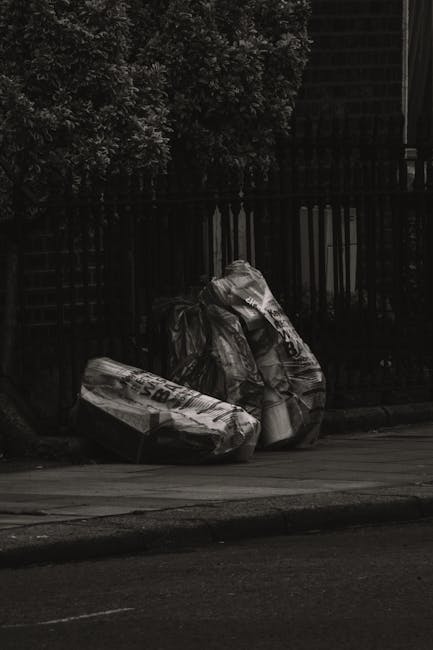
Insider tips for party rubbish clearout at Blackheath Standard

If you've ever looked around the room the morning after a party and thought, how did this happen so fast?, you're in the right place. A proper party rubbish clearout at Blackheath Standard is less about brute force and more about smart timing, sensible sorting, and avoiding the little mistakes that turn a quick tidy into a half-day slog. Whether it was a birthday, a family get-together, a flat warm-up, or something a bit more lively than planned, the same rule applies: the faster you control the waste, the easier everything else becomes.
In this guide, we'll walk through insider tips for handling post-party waste in a way that feels manageable, tidy, and not wildly expensive. You'll see how to clear bottles, cups, packaging, leftover food, decorations, and bulky bits without creating a second mess on the pavement or in the hallway. We'll also cover local considerations, practical planning, and when it makes sense to use a professional service such as waste removal or a more targeted option like home clearance.
Let's face it, nobody wants to spend Sunday morning wrestling with sticky bin bags while the kettle's still boiling. A little structure goes a long way.
Why Insider tips for party rubbish clearout at Blackheath Standard Matters
Post-party waste is rarely just "a few bags". In practice, it often includes mixed rubbish: glass bottles, cans, cardboard, takeaway containers, food scraps, broken balloons, wrapping paper, old decorations, and the odd item that somehow appears from nowhere. If you leave it too long, the smell builds, recycling gets contaminated, and the clean-up becomes much less pleasant. That's especially true in a local setting where neighbours, shared entrances, and narrow streets can make clutter feel more obvious very quickly.
There's also a difference between tidying and truly clearing out. Tidying means the room looks presentable. Clearing out means the waste is actually sorted, removed, and dealt with properly. For anyone hosting regularly, or recovering from a larger gathering, this distinction matters more than people realise. It saves time, reduces stress, and helps prevent accidental fly-tipping or overfilled bins.
A good clearout also protects your space. Sticky drink spills can spread, broken glass is easy to miss in dim light, and food waste can attract pests if it sits around overnight. The practical value is obvious once you've done it a few times: get it under control early, and the whole house feels calmer.
How Insider tips for party rubbish clearout at Blackheath Standard Works
At its simplest, the process follows a sequence: sort, separate, bag, move, and remove. The trick is doing those steps in the right order, not all at once in a chaotic rush. For smaller gatherings, you may be able to manage everything using household bins and a couple of organised passes through the room. For larger events, a more deliberate approach is usually better, especially if there are bulky items or large volumes of recyclable material.
Think of it like resetting the space in layers. First you remove obvious rubbish. Then you collect recyclables. Then you deal with food waste and anything that needs special attention. Finally, you check under tables, behind sofas, along skirting boards, and near entry points where bottles and napkins tend to migrate. That last part sounds fussy, but honestly, it's where half the missed mess hides.
If the volume is beyond what your household bins can handle, a professional service becomes useful. Some people choose a broader service such as house clearance when the party has left behind a bigger overall mess, while others only need a focused collection for mixed waste. The right choice depends on size, urgency, access, and how much sorting you're willing to do yourself.
Key Benefits and Practical Advantages
A well-handled party rubbish clearout gives you more than a tidy room. It improves safety, reduces odour, saves time, and lowers the chance of issues with neighbours or shared spaces. If you've ever woken up to glass in the wrong place or a bin lid that won't shut, you'll know why that matters.
- Faster room recovery: you can get back to normal sooner, which is a relief after hosting.
- Better recycling outcomes: separating materials early helps avoid contamination.
- Less physical hassle: moving waste in stages is easier on your back and your patience.
- Cleaner communal areas: important in flats, terraces, or properties with shared access.
- Lower risk of mess spreading: food waste and drink residue are easier to control when removed promptly.
There's a subtle benefit too: a clean finish makes the whole event feel complete. Strange but true. You can have a brilliant party, but if the aftermath lingers for two days, the memory changes. Quick clearout, clean slate.
Who This Is For and When It Makes Sense
This guidance is useful for all sorts of people. You might be a tenant trying to avoid leaving a shared hallway full of bottles. You might be a homeowner hosting a birthday with a few too many cardboard boxes and drink crates. Or perhaps you're managing a small venue-style gathering and need a fast reset before the next day. Different setting, same headache.
It also makes sense when the waste includes a mix of light rubbish and heavier items. For example, party furniture moved around for guests, broken bits of decor, or several bags of packaging from supplies can quickly exceed what your normal routine can handle. If the clean-up is urgent, or you want it gone in one visit rather than spread across several bin days, a service such as pricing and quotes can help you compare options before making a decision.
You will notice the difference most when any of these apply:
- the party involved more than one room
- there are glass bottles or fragile items to handle
- the kitchen has food waste mixed with packaging
- you need the space cleared before work the next day
- there's limited bin capacity or awkward access
To be fair, even modest gatherings can leave a surprising amount behind. It's never "just a few things".
Step-by-Step Guidance
Here's a practical way to handle a post-party clearout without overcomplicating it.
1. Start with safety first
Before lifting anything, scan for broken glass, sharp edges, candles, or spilled liquids. Put shoes on. It sounds obvious, but after midnight or early in the morning, people skip the basics. Use gloves if you've got them, and keep a sturdy box or tub nearby for awkward items.
2. Open every bin bag and create simple categories
Set up a few obvious piles: general waste, recycling, food waste, bottles, and "not sure yet". Don't make this complicated. If you pause too long over every item, the room starts mocking you. A simple system keeps the pace moving.
3. Clear the obvious surfaces first
Take bottles, cups, plates, napkins, and wrappers off tables, counters, windowsills, and radiators. This creates visual momentum. The room will already look better, which helps more than you might think. Small win, big morale boost.
4. Deal with glass separately
Glass needs its own careful handling. Use a rigid container for broken pieces and keep it away from soft waste. If bottles are intact, sort them with other recyclable glass where appropriate and keep them upright to avoid leaks.
5. Bag food waste before it spreads
Food scraps are best removed early, especially if they're warm, sticky, or near fabric. Left too long, they can soak through packaging and make the whole job worse. If there was buffet food, check beneath tables and serving areas; bits tend to vanish under napkins and then reappear later, which is always a joy.
6. Fold or flatten bulky packaging
Cardboard boxes, gift packaging, and disposable display materials should be flattened before binning or recycling. It saves space and makes transport easier. If your party involved deliveries, decorations, or catering, this step alone can halve the volume.
7. Do a floor sweep and final room check
Once the major waste is gone, inspect floors, corners, under furniture, and behind doors. That's where bottle caps, confetti, cable ties, and random little extras hide. Then do a final pass with a broom or vacuum depending on the surface.
For larger amounts of mixed rubbish, a targeted collection can be the faster route. If you also need to clear leftover event furniture or unwanted household items after the party, services like furniture clearance can be a sensible add-on rather than trying to force everything into one chaotic trip.
Expert Tips for Better Results
Here's where the difference between a decent clean-up and a really efficient one starts to show.
Tip 1: Put a clear station near the exit. A bin bag, a box for glass, and a tub for recycling near the door reduces repeated trips across the room. It sounds tiny, but it saves time and keeps traffic flow moving.
Tip 2: Use the "one-touch" rule where possible. Pick an item up once and put it in the right place immediately. Don't carry a bottle from the sofa to the counter to the hallway and back again. That's how an easy job turns silly.
Tip 3: Separate the wet waste early. If you've got food residue, napkins with drink spills, or leaky containers, isolate them before they contaminate cleaner recycling.
Tip 4: Don't wait for every guest to leave before starting. In many real-world settings, you can begin clearing the easier areas while the last few people are still chatting. Not in an awkward, broom-in-hand way. Just the parts that won't disrupt anyone.
Tip 5: If access is awkward, plan the route first. Shared stairwells, narrow hallways, or awkward parking can slow everything down. Knowing where waste will be staged and collected makes a bigger difference than people expect.
And if you're dealing with more than party waste, such as old clutter that's been sitting there for months, a broader approach such as flat clearance may be the cleaner answer. Sometimes the party just exposes the clutter that was already there. Happens all the time.
Common Mistakes to Avoid
Most post-party clean-up problems come from a handful of avoidable errors. The good news is they're easy to sidestep once you know what to watch for.
- Mixing everything together: once food waste and recyclables are tangled, sorting becomes slower and messier.
- Ignoring the hidden spots: under sofas, behind bins, and around skirting boards are classic miss zones.
- Overfilling bags: heavy bin bags split, spill, and make lifting much harder than it needs to be.
- Leaving waste overnight: especially food and drinks, which can create odour fast.
- Forgetting about glass: one small shard can cause a nasty cut later.
- Using the wrong disposal route: not everything belongs in general household waste, and some items need special handling.
A quiet mistake people often make is underestimating volume. A party can produce far more waste than expected, especially if there were bottled drinks, takeaways, or last-minute shopping deliveries. Truth be told, the rubbish pile is often the most honest part of the event.
Tools, Resources and Recommendations
You don't need fancy equipment, but a few basics make the job easier and safer.
| Tool or item | Why it helps | Best use |
|---|---|---|
| Heavy-duty bin bags | Reduce tearing and help with mixed waste | General rubbish and soft disposables |
| Gloves | Protect hands from grime and sharp items | Glass, sticky waste, and outdoor spill areas |
| Rigid box or tub | Keeps breakables contained | Bottles, broken decor, glass fragments |
| Broom and dustpan | Good for final sweeps and small debris | Floors, entrances, corners |
| Microfibre cloths | Catch residue without spreading it around | Tables, counters, and spill-prone spots |
| Recycling sacks or crates | Make separation easier | Glass, cans, and clean cardboard |
If you're hosting outdoors or in a garden-heavy setting, you may also need support from garden clearance if the event left behind broken plant pots, packaging, or general outdoor debris. And for parties that involved a home office, spare room, or workspace being taken over, office clearance can be relevant when equipment or paperwork has to be moved out of the way first.
A useful recommendation: keep a "post-party kit" ready if you host often. One roll of strong bags, one box of gloves, one dustpan, one cleaning spray, and one sturdy tub for bottles can save a lot of faffing about the next time.
Law, Compliance, Standards, or Best Practice
For rubbish disposal in the UK, the safest approach is to follow local collection rules, avoid placing waste where it creates a hazard, and make sure anything handed over to a third party is dealt with responsibly. Exact council arrangements can vary, so it's sensible to check local expectations rather than assume a one-size-fits-all process.
From a best-practice perspective, the main things to watch are:
- do not leave waste obstructing pavements, entrances, or shared access routes
- separate recyclables where practical and clean enough to do so
- handle glass and sharp items with care
- avoid fly-tipping, even if the bins are full or collection timing is awkward
- use a reputable waste carrier for larger clearouts
If you're comparing disposal options, it helps to understand the difference between a one-off uplift and broader responsible handling. Services that focus on recycling and sustainability can be useful when you want to minimise what ends up as residual waste. For customers who want peace of mind around handling and transport, it's also worth reviewing insurance and safety information before booking any service.
There's no drama in being careful here. Quite the opposite. A tidy, lawful approach keeps things simple and avoids expensive mistakes later on.
Options, Methods, or Comparison Table
Different clearout methods suit different party sizes and different levels of mess. Here's a straightforward comparison.
| Method | Best for | Pros | Limitations |
|---|---|---|---|
| Self-clear with household bins | Small gatherings and light waste | Cheap, immediate, easy to start | Slow if bins are limited; can get messy fast |
| DIY trip to disposal point | Moderate waste with sorting already done | Good for separating materials | Requires time, transport, and lifting |
| Professional waste collection | Larger parties or urgent clearouts | Fast, less physical effort, convenient | Costs more than doing it yourself |
| Combined clearance service | Party mess plus unwanted items | Helpful when clutter and rubbish overlap | May be more than you need for a small event |
In practice, many households choose a mixed approach. They clear the easy stuff themselves, then call in help for the awkward leftovers. That can be the sweet spot if you want to keep costs sensible without spending the whole day sorting bottles by hand.
Case Study or Real-World Example
Picture a Saturday evening gathering in a Blackheath Standard flat: twenty or so guests, drink bottles by the sink, takeaway boxes on the coffee table, balloons in one corner, and a couple of larger bags of packaging from last-minute party supplies. Nothing dramatic, just enough to make Sunday feel heavy before it has even started.
In that kind of situation, the most effective approach is to start with waste concentration points. The kitchen first, because that's where food and drinks collect. Then the main room. Then the hallway and any outdoor access point. Glass goes into a rigid container. Cardboard gets flattened. Soft waste gets bagged before it starts smelling. Any bulky leftover decor or damaged items are separated for collection rather than being squeezed into normal bags.
By mid-morning, the space can feel almost reset if the work is organised. The difference between an exhausting clean-up and a manageable one is usually not effort. It's sequence. A bit of common sense, a few good bins, and not trying to do everything at once. That's the trick, really.
In a case like this, a service such as furniture disposal can help if party furniture, broken chairs, or unwanted items need to go as well. And if the event created a larger all-round mess than expected, garage clearance may be relevant for overflow storage items that got dragged out to make room for the party and never quite made it back.
Practical Checklist
Use this quick checklist before, during, or after your party rubbish clearout at Blackheath Standard.
- Collect gloves, strong bags, a broom, and a rigid container for glass
- Separate general waste, recycling, food waste, and breakables
- Flatten cardboard and bulky packaging
- Check under furniture, behind doors, and around tables
- Remove food waste early to prevent odours
- Keep bag weights manageable
- Avoid mixing glass with soft waste
- Clear routes for carrying rubbish out safely
- Confirm bin capacity before you start
- Arrange professional help if the volume is too high
Quick expert summary: the best party clearouts are the ones you plan before the mess settles in. Separate early, move waste in stages, and don't let the job become a mystery pile in the corner. If it starts to feel bigger than a normal tidy, that's your signal to bring in support rather than soldiering on.
Conclusion
Party rubbish clearout at Blackheath Standard does not need to be complicated, and it definitely does not need to ruin the day after a good event. With a simple plan, the right bags, a bit of sorting discipline, and a clear idea of what needs to go where, you can get the space back without the usual frustration.
The best insider tip? Start earlier than you think, keep things separate, and make the route from mess to removal as short as possible. That alone saves a surprising amount of time. If the waste is heavier, mixed, or more urgent than expected, professional help can take the pressure off and leave you with one thing less to worry about.
Get a free quote today and see how much you can save.
And once the bags are gone and the room is quiet again, you'll feel it - that lovely little reset when the space finally breathes.
Frequently Asked Questions
What is the best way to start a party rubbish clearout at Blackheath Standard?
Start by removing obvious waste from tables, counters, and floors, then separate glass, recycling, food waste, and general rubbish. A simple system keeps the job moving without turning into a full-scale shuffle.
How do I deal with bottles and glass after a party?
Keep glass separate in a rigid container or sturdy box. Check for broken pieces before lifting bags, and avoid mixing glass with soft waste so you reduce the chance of cuts and spills.
Can I put all party waste into normal bin bags?
You can for some items, but it's better not to mix everything blindly. Food waste, recyclables, and sharp items are best separated first. It makes disposal easier and avoids contamination.
What if my bins are already full?
If your bins are full, flatten packaging, separate materials, and consider a professional waste collection if the waste won't fit safely or legally. Leaving bags piled up outside is never the ideal answer.
How soon should I clear party rubbish?
As soon as practical, ideally the same night or first thing the next morning. Food waste and drinks become harder to manage once they've sat around for too long.
Is it better to clean as guests leave or wait until the next day?
For small jobs, a light tidy during the evening helps a lot. For bigger events, a next-day clearout is fine, but don't leave the waste lingering if food and glass are involved.
What size party usually needs professional waste removal?
There's no fixed number, but if you've got multiple bin bags, bulky packaging, broken items, or very limited access, professional help often makes more sense than trying to manage it all yourself.
How can I avoid mixing recycling with general waste?
Set up separate containers from the start and label them clearly if needed. In busy households, people are more likely to use the right bin when the choice is obvious and simple.
Are there local rules I should think about in Blackheath Standard?
Yes, it's wise to follow local waste and collection expectations, keep shared spaces clear, and avoid leaving rubbish where it could cause obstruction or nuisance. If you're unsure, check the current local arrangements rather than guessing.
What should I do with leftover decorations and party props?
Sort reusable items from disposable ones first. Keep anything intact for future use, and separate damaged decor, cardboard, and mixed materials before disposal. It saves money and reduces waste.
How do I handle food waste safely after a party?
Bag it early, keep it separate, and remove it before it starts to smell. If there's a lot of food left over, avoid overstuffing bags, because that's when leaks and breakages tend to happen.
When is it worth booking a clearance service instead of doing it myself?
It's worth booking help when the waste is bulky, time-sensitive, difficult to access, or more than your normal bins can handle. If you'd rather not spend half the day hauling bags, that's reason enough too.
If you're planning a bigger tidy-up beyond the party rubbish itself, you may also want to look at party-ready cleaning advice and nearby support options like handling bulky waste items without breaking the bank. Used well, those extra steps can make the whole process smoother and far less stressful.