Lewisham rubbish removal near Lewisham Station for commuters
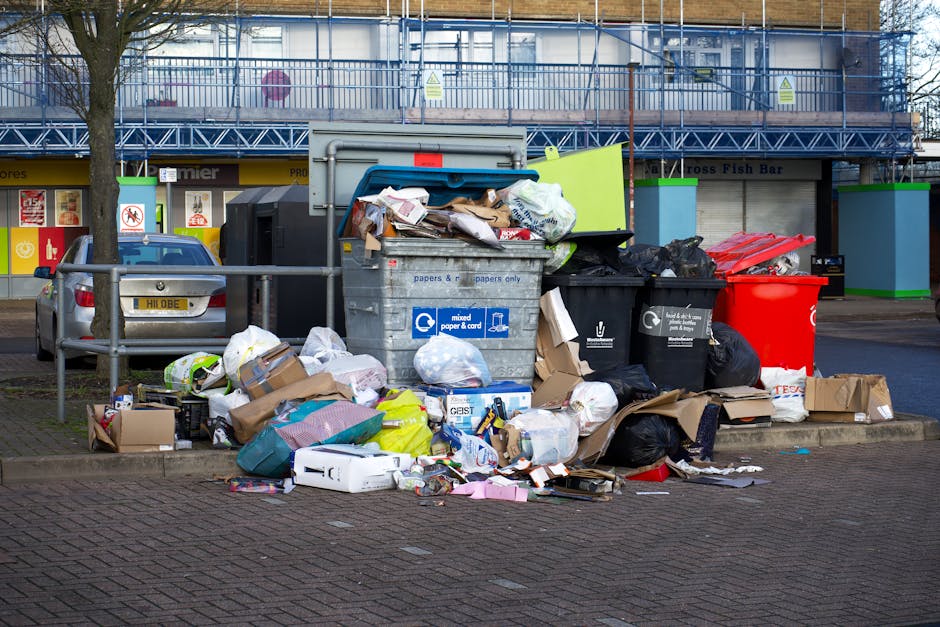
If you live, work, or pass through the station every day, rubbish has a habit of becoming a bigger problem than it should. A broken chair by the door, old boxes stacked in a hallway, a bag of mixed waste you keep meaning to deal with after work - it all gets in the way. Lewisham rubbish removal near Lewisham Station for commuters is really about speed, convenience, and not dragging a mess into an already busy routine.
That is the point of this guide. You will get a clear explanation of how local rubbish removal works, who it suits, how to book it without making your day harder, and what to watch for if you want a tidy, reliable result. We will also cover practical considerations like access, timing, waste types, recycling, and a few mistakes commuters often make when they are rushing between trains, buses, and life.
- Why it matters
- How it works
- Key benefits
- Who it is for
- Step-by-step guidance
- Expert tips
- Common mistakes
- Tools and resources
- Compliance and best practice
- Options and comparison
- Real-world example
- Practical checklist
- Conclusion
- Frequently asked questions
Why Lewisham rubbish removal near Lewisham Station for commuters Matters
Station-area living changes the way waste builds up. People heading to central London, Canary Wharf, or anywhere else on a tight schedule often do not have the luxury of waiting around for a van, lifting heavy bags down several flights of stairs, or trying to fit a trip to the tip into a packed weekend. Let's face it, if your mornings already include keys, Oyster card, coffee, and that one coat you always forget, rubbish removal is not going to be your favourite errand.
Near Lewisham Station, speed matters because the environment is naturally busy. Flats tend to be compact, shared spaces can get cluttered quickly, and small deposits of waste can become a real nuisance in a hallway or bin area. A good local clearance service helps you reclaim space before clutter turns into stress. That sounds simple, but in practice it can be the difference between a calm week and a constant eyesore.
This matters even more for commuters who work irregular hours. If you finish late, leave early, or split your week between office and home, you want rubbish gone at a time that fits your life, not the other way around. That is why flexible collection slots and a quick turnaround are so valuable in this part of Lewisham.
It also matters for neighbours. Overflowing waste, bulky items left in communal areas, or a slow accumulation of renovation debris can affect everyone in the building. A prompt collection is not just convenient; it is considerate. In shared buildings, that counts for a lot.
How Lewisham rubbish removal near Lewisham Station for commuters Works
The process is usually straightforward, which is exactly what commuters need. You identify what needs to go, describe the load clearly, arrange a collection window, and have the waste removed with as little disruption as possible. In many cases, that means a team comes to your property, loads the items for you, and takes them away for sorting, disposal, and recycling where appropriate.
The key detail is access. Around station-adjacent streets and flats, access can be tighter than people expect. Narrow stairwells, controlled entry, limited parking, and busy pavements all affect how quickly the job can be done. Good planning solves most of this. If you can tell the provider whether the waste is on the ground floor, up two flights, in a basement storage room, or in a flat with no lift, the job tends to run much more smoothly.
Commuter-friendly rubbish removal often works best when the waste is already grouped together. That may sound obvious, but it saves time and reduces friction on the day. A few labelled piles, a clear path to the door, and a rough idea of what is being removed can make the whole visit quicker. No drama. No wandering around trying to remember which chair was supposed to go.
If your clearance needs are broader than general rubbish, it can help to choose a service that matches the type of waste. For example, a flat with mixed household items may be better suited to flat clearance, while old sofas, wardrobes, or beds may sit better under furniture disposal or furniture clearance. That kind of match improves efficiency and reduces confusion when you book.
Key Benefits and Practical Advantages
The obvious benefit is that your rubbish disappears without you having to do the heavy lifting. But the real value for commuters is broader than that. You save time, reduce stress, and avoid using up scarce free hours on a job that could be handled in one visit.
Here is the short version:
- You save time on the commute-to-home transition.
- You avoid carrying bulky waste through stations or onto public transport.
- You reduce clutter in small London homes and shared hallways.
- You can fit removal around work hours, not the other way around.
- You improve safety by removing trip hazards and stacked items.
- You often get a cleaner, more organised property on the same day.
There is also a quiet mental benefit that people underestimate. A cleared room feels different. You notice the floor space, the light, the ability to move a chair without bumping into a box. It sounds tiny, but if you are rushing out the door every morning, that kind of order can make the place feel less like a storage locker and more like home.
For households that are clearing more than one category of item, the right service can help create a proper reset. A larger declutter might combine home clearance with a specialist job such as loft clearance or garage clearance. That is often more efficient than tackling each space separately over several weekends. And honestly, weekends are precious.
Who This Is For and When It Makes Sense
This kind of rubbish removal suits more people than you might think. The obvious group is commuters living in flats or maisonettes near the station, especially if they have limited storage and no car. But it also works for landlords, letting agents, small offices, tradespeople, and households that just need a practical one-off clearance.
It makes sense when you have any of the following:
- bulky items that are awkward to move alone
- multiple bags of mixed waste after a clear-out
- broken furniture waiting in a hallway
- items from a move, refurbishment, or end-of-tenancy reset
- stored clutter in a loft, shed, or garage
- waste that needs sorting rather than simple bin collection
For businesses near the station, the pressures are slightly different. A shop, small studio, or office can build up packaging, old equipment, or surplus furniture faster than expected. In those cases, business waste removal or office clearance may be a better fit than a general household collection.
If the waste came from building work, even a small home project, a more specific service such as builders waste clearance is usually more appropriate. That distinction matters because construction debris, timber offcuts, plasterboard, and mixed rubble often need a different handling approach from furniture or domestic rubbish.
Truth be told, the biggest sign that you need a collection is not the size of the pile. It is the point where the pile starts dictating your routine. If you are stepping around it every morning, it is time.
Step-by-Step Guidance
Here is a practical way to handle rubbish removal near Lewisham Station without overcomplicating it.
- List what needs to go. Be specific. "A bit of waste" is less helpful than "two armchairs, six sacks of mixed household rubbish, and three broken shelving units."
- Separate obvious categories. Keep furniture, general waste, garden material, and building waste apart if you can. It helps with pricing and sorting.
- Check access. Think about stairs, lifts, parking, and entrance codes. Station-area jobs often run on tight logistics.
- Choose a time that suits your commute. Early morning or evening slots can work well if your day is packed.
- Confirm what can be collected. Some items need special handling, so ask before the day arrives.
- Prepare the items for easy loading. If safe to do so, keep things together in one accessible spot.
- Ask about recycling and disposal. A responsible provider should explain how the load will be sorted.
- Keep communication simple on the day. A quick call or message, clear access, and no hidden surprises tends to be enough.
If you are handling a larger property clear-out, it can help to think in zones. Start with the hallway, then living spaces, then storage areas. That order reduces the chance of moving items twice. Small thing, but it saves time and energy.
For people who want a full property reset, pairing rubbish removal with broader clearance services can be useful. A one-bedroom flat might only need rubbish and a sofa taken away; a family property may need a more comprehensive house clearance. Different job, different pace, same goal: get the space back.
Expert Tips for Better Results
After enough collections, a few habits stand out as genuinely useful. They are not flashy, but they make the day easier.
- Take photos before booking. This gives a clearer idea of volume and access than a vague description.
- Measure awkward items. A wardrobe, mattress, or desk can be bigger than you remember once you have tried to move it through a narrow stairwell.
- Keep a clear path. Bags, shoes, bikes, and recycling crates in the way slow everything down.
- Think ahead about parking. Station-area streets can be busy, so access planning matters.
- Use the service for time-sensitive clear-outs. End of tenancy, moving day, or post-renovation jobs are easier when the waste is gone quickly.
- Ask about reuse where appropriate. Some items may be suitable for reuse or separate furniture disposal rather than mixed waste processing.
One small but useful tip: if you are clearing out after work, do the sorting before you are tired. It is very easy to turn a neat plan into an improvised heap by 8:30 p.m. We have all seen that moment. The bag that starts as "keep" somehow ends up in the "maybe" pile, which is just a fancy word for delay.
If sustainability matters to you, ask about recycling and sorting standards before you book. A service that treats waste responsibly should be able to explain its approach in plain English. You can also review the company's recycling and sustainability approach if you want to understand the broader commitment behind the collection.
Common Mistakes to Avoid
The most common mistake is underestimating the amount of waste. A couple of bags turn into a van load more often than people expect, especially after a moving week or a flat clean-out. Another classic error is waiting until the last minute and then trying to book around train times, meetings, and building access rules. That rarely ends well.
Other mistakes to watch for:
- not telling the provider about stairs or limited access
- mixing different waste types without checking first
- assuming bulky items can be left outside without issue
- forgetting that some clearances take longer than a quick bin run
- choosing price alone without checking service detail
- leaving loose items scattered around the property, which slows loading
A quieter mistake is choosing the wrong type of clearance altogether. If you need just a few items removed, a furniture-specific or waste-removal service may be enough. If you are dealing with a packed loft, a full flat, or the aftermath of moving out, a broader service is usually better. Matching the job to the service saves time and usually avoids awkward surprises on collection day.
Also, keep an eye on building rules. Some flats near the station have managed entrances, loading restrictions, or shared waste areas. It sounds boring, I know. But boring details are the ones that stop a smooth clearance from becoming a headache.
Tools, Resources and Recommendations
You do not need specialist equipment for most collections, but a few basic tools help a lot. A tape measure, a marker pen, and some sturdy bags are enough for most household jobs. For larger clearances, a dolly or sack truck may help, though that is often handled by the team doing the removal.
Useful things to have ready before your collection:
- boxes or bags for loose items
- labels or notes for anything staying behind
- access codes or concierge instructions
- photo ID if building access requires it
- a rough inventory for mixed loads
If you are trying to compare services, start with clarity and trust. A clear pricing page helps. So does a provider that explains what is included and how the work is carried out. You can review pricing and quotes information before deciding, and if you want to understand how the business presents itself, the about us page is useful background too.
For a broader service overview, it may also help to look at general waste removal if your load is not just furniture or household clutter. People often combine these services in practice. A few bags here, some old shelving there, maybe a cracked table that has been leaning against the wall for months. The usual story.
Law, Compliance, Standards, or Best Practice
Waste removal in the UK is not something to treat casually. You do not need to become an expert in regulations to book a collection, but you should expect the provider to handle waste responsibly and follow normal legal and environmental standards. In plain English, that means the waste should be transported, sorted, and disposed of properly, with attention to recycling where suitable and safe handling where required.
As a customer, the safest approach is simple:
- use a provider that is transparent about what happens to the waste
- make sure the company explains exclusions or special handling needs
- do not conceal hazardous, restricted, or mixed-in items
- ask for a clear scope before work starts
Best practice also matters for building safety and shared access. Hallways should not be blocked, items should be moved carefully, and lifting should be done safely. If you are living in a block of flats, that is especially important. A rushed job can cause damage to walls, doors, and stair rails. Nobody wants that phone call.
For more peace of mind, it is sensible to check a provider's health and safety policy and insurance and safety information. If you value process and accountability, you may also want to look at the company's terms and conditions. These pages do not need to be thrilling. They just need to be clear, which is better than pretty much everything else in this category.
Options, Methods, or Comparison Table
Not every clearance job near Lewisham Station needs the same solution. The right option depends on volume, access, item type, and how quickly you need the space back.
| Option | Best for | Pros | Things to consider |
|---|---|---|---|
| General rubbish removal | Mixed household waste, bags, small clutter | Flexible, quick, good for everyday clear-outs | May not suit large furniture or specialist items |
| Furniture clearance | Sofas, tables, wardrobes, beds | Ideal for bulky items, simpler for one-off jobs | Measure access and item size carefully |
| Flat clearance | Whole flats, end-of-tenancy jobs, multiple rooms | Efficient for fuller properties and quicker resets | Needs a clear plan and access details |
| House clearance | Entire homes or larger residential jobs | Comprehensive and time-saving | Usually takes more coordination |
| Office clearance | Workspaces, stockrooms, back offices | Good for business moves and storage clean-outs | May require building access coordination |
If your situation is mixed, do not worry about labelling everything perfectly. Start with what is most obvious and explain the rest clearly. A good provider will help you match the service to the load. That part should feel easy.
Case Study or Real-World Example
Imagine a commuter living a few minutes from the station in a top-floor flat. Over three months, the flat collects a bit of everything: a damaged bedside cabinet, three bags of general waste after a clear-out, an old printer, and two chairs that no longer fit the space. The hallway becomes a parking spot for clutter. Not ideal, and every morning it is the first thing they see on the way out.
Rather than trying to move everything down at night in multiple trips, they group the items near the front door, take a few photos, and request a collection that fits their work schedule. The waste is removed in one go, the rooms feel lighter, and the person no longer has to think about that pile every time they come home tired from the train. Simple, but effective.
In another common scenario, a small home office near Lewisham Station is being updated. The owner needs old shelving, packaging, and a couple of desks removed before a new setup arrives. In that case, combining a furniture-led collection with general waste removal is usually the sensible route. It keeps the project moving and avoids a half-finished room sitting around for a week. Nobody likes that half-done feeling.
These are the kinds of jobs where local knowledge matters. Access, timing, and speed make a real difference in station-adjacent areas.
Practical Checklist
Use this checklist before booking Lewisham rubbish removal near Lewisham Station for commuters:
- List every item or bag you want removed.
- Separate furniture, general waste, and any building debris.
- Check whether the load is on a ground floor, upper floor, or in storage.
- Note lift access, stairs, and any entry restrictions.
- Confirm if parking or loading access might be tricky.
- Take photos so the provider can estimate the job properly.
- Ask about recycling, disposal, and any excluded items.
- Make sure the path to the waste is clear on the day.
- Choose a time that fits your commute and building rules.
- Keep anything you are retaining clearly separate.
Expert summary: the best clearance jobs are rarely the biggest. They are the ones that are clearly described, sensibly timed, and matched to the right type of removal. Get those three things right and the rest tends to fall into place.
Conclusion
For commuters, rubbish removal near Lewisham Station is less about luxury and more about breathing room. A busy travel routine leaves very little patience for clutter, and small waste problems become bigger when they sit unanswered for too long. The good news is that with the right planning, the whole process can be quick, tidy, and surprisingly low-stress.
Whether you are clearing a flat, removing furniture, sorting an office, or simply trying to get your hallway back, the core idea is the same: make the job easy to describe, easy to access, and easy to complete. That is the sweet spot.
Get a free quote today and see how much you can save.
And if you are still standing in a room full of boxes wondering where to start, start small. One pile, one plan, one calm step at a time - it really can be that manageable.
Frequently Asked Questions
What is the best rubbish removal option near Lewisham Station for commuters?
The best option depends on what you need removed. For mixed bags and everyday clutter, general waste removal works well. For sofas, beds, and wardrobes, furniture clearance is usually better. For whole rooms or full properties, flat clearance or house clearance may be more suitable.
Can rubbish be collected before or after my commute?
Yes, many people prefer early morning or later appointment windows so the collection fits around work. The key is to book a slot that suits your access and travel schedule, then make the waste easy to reach.
Do I need to move the items outside first?
Not always. In many cases, items can be collected from inside the property if access is clear. That said, it helps to confirm the arrangement when you book, especially if you live in a flat or have limited parking nearby.
How do I know whether I need flat clearance or general waste removal?
If the job involves clearing multiple rooms, a lot of mixed items, or an end-of-tenancy reset, flat clearance is often the better fit. If it is just bags, loose clutter, or a few unwanted items, general rubbish removal may be enough.
What happens to the rubbish after collection?
Responsible providers should sort collected waste and recycle what they can where appropriate. The exact process varies, but you should expect a clear explanation of how the waste will be handled rather than a vague promise.
Is same-day rubbish removal possible near Lewisham Station?
Sometimes, yes. Availability depends on the day, the volume of waste, and access conditions. If you need a quick turnaround, it is best to ask as early as possible and be ready with photos or a clear description.
Can you remove bulky furniture from a small flat?
Yes, but access needs to be considered carefully. Narrow staircases, tight landings, and shared entrances can make bulky items more awkward than they first appear. Good planning helps avoid delays and damage.
What should I avoid putting on a rubbish removal job?
Always check exclusions before booking. Some items may need special handling or may not be suitable for a standard collection. If in doubt, ask clearly rather than guessing on the day.
How can I make the collection quicker and cheaper?
Be accurate about the volume, separate the waste where possible, and make access easy. A clearer job is often a more efficient job. It also reduces the chance of surprises when the team arrives.
Do I need to worry about parking near the station?
Yes, parking and loading can matter a lot around Lewisham Station. If access is tight, mention it when booking so the provider can plan properly. That small detail can make a big difference on the day.
Is it better to book waste removal or furniture disposal for one or two items?
If the items are mainly furniture, a dedicated furniture disposal service is usually the most direct choice. If the load is mixed, general waste removal may be more practical. The right choice depends on the mix, not just the item count.
Where can I find more information about the company before booking?
You can review the company's about us page, look at pricing and quotes, and read the pages covering health and safety and recycling and sustainability. Those pages help build a fuller picture before you decide.