Overflowing communal bins on Lewisham estates: next steps
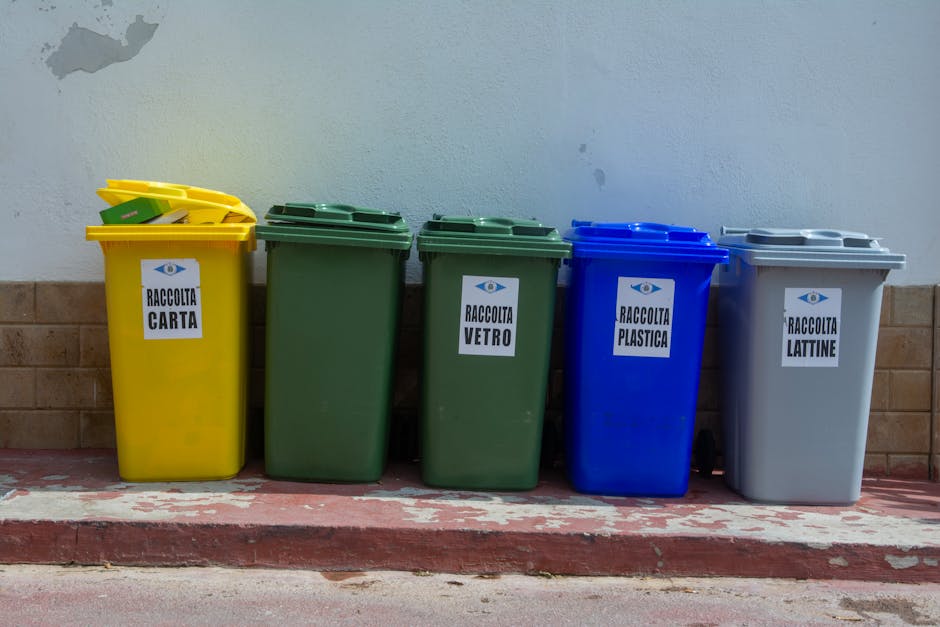
If you live on a Lewisham estate, you know the feeling: you walk out with a bag of rubbish, lift the bin lid, and there's no room left. Bags are stacked beside the containers, foxes have had a rummage, and by the next morning the mess has spread. Overflowing communal bins on Lewisham estates: next steps is not just about tidying up one corner of a courtyard. It's about keeping shared spaces usable, reducing smells and pests, and finding a sensible fix that lasts longer than a quick bin shuffle.
This guide breaks down what usually causes the problem, what to do first, who should be involved, and how to move from repeated complaints to a proper plan. It also covers practical waste handling options, common mistakes, and a realistic checklist you can use straight away. Let's face it, nobody wants to stand there with rubbish in hand wondering where on earth it should go.
Why Overflowing communal bins on Lewisham estates: next steps Matters
An overflowing communal bin area is more than an eyesore. On an estate, one overloaded bin can trigger a chain reaction: rubbish gets dumped next to the banks, bags split open, litter blows into walkways, and the whole area starts to feel neglected. That can affect residents' day-to-day comfort, but it can also create practical risks like blocked access routes, odour, flies, and vermin activity.
In shared housing, problems can escalate quickly because no single household controls the whole waste stream. One block may be recycling correctly, while another has heavy furniture, black bags, and food waste being placed in the wrong containers. If collections are missed or the bins are too small for the number of homes using them, the issue tends to repeat. And repeated issues are frustrating. You clean it up, and there it is again two days later. Very annoying, truth be told.
That's why the next steps matter. You want to separate the immediate fix from the longer-term fix. The immediate fix is simple: make the area safe and usable. The longer-term fix is about understanding whether the estate needs better bin capacity, clearer resident communication, a different collection schedule, or some form of extra waste removal support.
Expert summary: treat overflowing communal bins as a shared management problem, not just a litter problem. The fastest way to improve things is usually a mix of quick clearance, better reporting, and a more realistic waste routine for the estate.
How Overflowing communal bins on Lewisham estates: next steps Works
Although every estate is different, the underlying process is fairly straightforward. Waste is generated by residents, put into shared containers, and collected on a set schedule. When that chain breaks, the bin area overflows. Sometimes the cause is obvious, like a missed collection. Sometimes it's less obvious, like too much bulky waste, poor recycling separation, or one or two households using the communal bins as a replacement for their own storage or disposal habits.
The practical response usually works in stages:
- Identify the type of overflow. Is it general household waste, mixed recycling, food waste, bulky items, or fly-tipped material placed beside the bins?
- Check whether the issue is immediate or recurring. A one-off may need a quick clearance. A recurring issue needs a pattern-based solution.
- Make the area safe and accessible. Bag waste should not be left where it blocks footpaths, bin access, or fire escape routes.
- Report the problem to the right people. Usually this means the estate manager, housing provider, or relevant waste team.
- Review the setup. Ask whether the bins are the right size, in the right place, and collected often enough.
That sounds simple, but the small details matter. For example, if bins are full because furniture has been left beside them, the answer is not always "more bins." It may be that residents need a clearer route for bulky items, such as arranging a dedicated clearance. If the issue is mainly old sofas, wardrobes, or broken chairs, a service like furniture disposal or furniture clearance may be more suitable than waiting for the next routine collection.
Key Benefits and Practical Advantages
When bin overflow is handled properly, the benefits are immediate and surprisingly broad. The obvious one is cleanliness, but there's more going on than that.
- Better hygiene: less exposed waste means fewer smells, fewer pests, and less mess around bin stores.
- Safer shared spaces: residents can walk through the area without bags, broken packaging, or sharp objects underfoot.
- Less frustration: a calmer, tidier bin area reduces tension between neighbours, which is no small thing on busy estates.
- Better recycling outcomes: when waste is sorted properly, recycling banks are easier to use and contamination drops.
- Faster issue resolution: a clear process stops the "someone else will deal with it" cycle.
There's also a practical management benefit. Once the estate has a visible process, it becomes much easier to spot whether the problem is collection frequency, resident behaviour, or bulky waste placement. That helps avoid wasteful guesswork. No pun intended... well, maybe a little.
For landlords, managing agents, and resident associations, a consistent response can also reduce repeat complaints. If you need to move larger volumes of mixed waste from a block, it may be worth looking at waste removal options that deal with the problem in one go rather than piecemeal.
Who This Is For and When It Makes Sense
This topic matters to a few different people, and each group usually has a slightly different headache.
- Residents: you need somewhere clean to dispose of household waste without tripping over other people's bags.
- Estate managers and housing officers: you need a repeatable system that keeps bin areas usable and reduces complaints.
- Concierge or caretaking teams: you're often the first to see the mess and the first to get asked to sort it. Fair enough, but it can't all sit on your shoulders.
- Landlords and letting teams: you want to protect the condition of the estate and avoid avoidable maintenance problems.
- Resident groups and committee members: you may be trying to balance convenience, costs, and shared responsibility.
It makes sense to act quickly when the overflow is causing odour, blocked access, pest attraction, or repeated dumping next to the bins. It also makes sense to take action when the problem seems to be "normalised" by residents. Once people get used to seeing rubbish beside the bins, they are more likely to add to it. That is how a small issue becomes a habitual one.
If the root of the issue is household downsizing, moving home, or clearing a flat on an estate, a planned clearance can make a difference. For example, flat clearance and home clearance are often useful when a property needs a fuller reset rather than a simple bin collection.
Step-by-Step Guidance
Here's the practical version. Not glamorous, but it works better than guessing.
1. Assess the situation properly
Before moving anything, look at what's actually there. Is it mainly bagged household waste? Are there food scraps, broken packaging, mattresses, or large items wedged around the bins? The type of waste tells you what needs to happen next.
2. Make the area safe
If rubbish is spilling onto walkways, clear access first. Keep the area open for residents, caretakers, and collection crews. If there are sharp items, broken glass, or leaking bags, use gloves and proper handling. Don't get heroic about it. The bin area will still be there in five minutes.
3. Separate routine waste from bulky waste
Routine household waste can often be managed through the normal collection system once the immediate backlog is removed. Bulky waste, however, usually needs a separate solution. Old furniture, broken appliances, and mixed junk are common culprits. This is where a targeted clearance can save time and prevent the same items from clogging the site again.
4. Report the issue through the correct channel
Use the estate's normal reporting route if one exists. Keep the report factual and specific: where the bins are, what type of waste is overflowing, whether access is blocked, and whether the issue has happened before. Specific reports are easier to act on than general frustration, even when the frustration is completely justified.
5. Check whether collection frequency or capacity needs changing
If the overflow happens every week or every collection cycle, the estate may need a different setup. That could mean larger bins, more frequent collections, better placement, or a clearer separation between general waste and recycling.
6. Arrange an extra clearance if needed
When waste has built up beyond the point of a normal collection, an extra clearance may be the quickest route back to order. If the site has mixed rubbish, furniture, and accumulated clutter, a broader service such as house clearance or loft clearance may be more appropriate, depending on the source of the waste.
7. Review what caused the overflow
After the clean-up, don't skip the review. Was it a one-off event, a missed collection, or a repeat pattern? If the same thing happens again, you need a prevention plan, not just another tidy-up.
Expert Tips for Better Results
In our experience, the estates that deal with bin overflow best are not necessarily the ones with the biggest budgets. They're the ones that keep things simple and consistent.
- Use signs that people can actually understand. Short, plain wording beats long notices nobody reads on a damp Tuesday morning.
- Keep bin stores easy to access. If lids are awkward to open or bags need to be lifted over obstacles, people will dump waste beside the bins instead.
- Watch for peak times. Some estates overflow after weekends, pay days, or move-in periods. Timing matters more than people expect.
- Address bulky waste separately. Furniture left in bin areas is a classic trigger for repeat mess. Deal with it quickly.
- Use a shared log. A simple record of when overflow occurs can reveal patterns without any fancy system.
Another useful habit is to inspect the bin area from the resident's point of view. Stand where someone would walk in with a bag, especially at dusk or early evening. You notice different things then: poor lighting, tight corners, bad smells, maybe a bin lid that jams. Those small things often explain the bigger problem.
If the overflow is linked to regular household decluttering, seasonal clear-outs, or renovation leftovers, services such as builders waste clearance, garage clearance, or even garden clearance can help remove the kind of material that normal bins were never meant to absorb.
Common Mistakes to Avoid
These are the ones that cause trouble again and again.
- Assuming every overflow is the residents' fault. Sometimes the bin service simply isn't matched to the estate's needs.
- Ignoring bulky items because they seem harmless. One chair becomes three chairs, then a mattress, then a pile. You know how it goes.
- Only clearing the visible mess. If the root cause stays in place, the same issue returns.
- Using too much wording in notices. A wall of text rarely improves behaviour.
- Leaving damaged bins in service. Broken lids, missing wheels, and cracked containers make overflow more likely.
- Waiting too long to escalate. If the issue keeps repeating, it needs a stronger response.
A quieter mistake is failing to separate responsibilities. Residents may need clearer instructions, caretakers may need a quicker reporting line, and management may need to arrange extra clearance. If everyone assumes someone else is handling it, the bin area becomes nobody's problem. And that is when things get messy.
Tools, Resources and Recommendations
You don't need a complicated toolkit, but a few basic things make the job easier and safer.
- Heavy-duty gloves: useful for handling damaged bags or awkward loose waste.
- Refuse sacks: helpful for regrouping split bags or separating mixed debris.
- Bin liners and labels: handy if the estate is trying to improve sorting.
- Basic reporting log: even a simple notebook or shared document can help identify repeat issues.
- Clearance support: for anything bulky, contaminated, or beyond normal collection limits.
For estates dealing with a broader accumulation of unwanted items, it can also help to look at recycling and sustainability as part of the wider plan. That's especially useful if the goal is not just to clear the mess, but to stop useful materials being thrown away unnecessarily.
If you're comparing support options, it's worth checking a provider's pricing and quotes, plus the detail behind its insurance and safety approach. For shared housing and managed blocks, those details matter. They really do.
Law, Compliance, Standards, or Best Practice
This is one of those areas where it pays to stay careful. Overflowing communal bins can create hygiene, access, and safety issues, so the response should follow sensible UK waste handling practice even when a situation feels informal on the ground.
There are a few practical principles to keep in mind:
- Do not block communal access routes. Bin waste should not interfere with pathways, entrances, or emergency access.
- Separate different waste types where possible. Food waste, general rubbish, recyclable material, and bulky items should not all be treated the same way.
- Use responsible carriers for larger clearances. Anyone removing waste should be able to explain how it will be handled and where it will go.
- Keep residents informed. Good communication is part of good practice, especially in shared housing.
If the issue is persistent, landlords and estate managers should also think about their general duty to maintain safe, usable communal areas. That does not require dramatic language. Just a sensible, documented approach, with the right people kept in the loop and the right records kept when action is taken.
In short, best practice is about more than just moving rubbish away. It's about making sure the estate does not slide back into the same mess next week.
Options, Methods, or Comparison Table
There is no single fix for every estate. The right response depends on the cause, the volume, and how often it happens. Here's a simple comparison to help you think it through.
| Option | Best for | Strengths | Limitations |
|---|---|---|---|
| Routine collection adjustment | Regular overflow caused by capacity or timing issues | Can improve the situation without major disruption | Needs coordination and may not solve bulky waste problems |
| Extra one-off clearance | Sudden build-up or post-incident mess | Fast reset of the bin area | Does not prevent the next overflow on its own |
| Bulky waste removal | Furniture, large items, broken household goods | Stops large items clogging communal bins | May need separate arrangement from normal bin service |
| Resident communication campaign | Behaviour-driven overflow or contamination | Low-cost and useful for long-term change | Works best when backed by enforcement or regular monitoring |
| Full waste review | Repeat issues across several blocks | Can uncover the real cause of chronic overflow | Takes time and active management |
For many Lewisham estates, the best answer is a combination rather than one single method. A clearance gets you out of trouble today; the review helps stop tomorrow's mess. That balance is often where the real improvement happens.
Case Study or Real-World Example
Picture a medium-sized estate where the communal bins are placed in a sheltered corner beside a footpath. For a while, the setup works fine. Then a few households move in, several residents do a pre-move clear-out, and one broken wardrobe ends up beside the bins because nobody knows what else to do with it. By Friday, there are bin bags on top of bin bags. A fox gets involved overnight. Monday morning, the area looks like it has had a very bad week.
The estate team starts with a simple clean-up, then checks what was actually causing the buildup. The answer is mixed: the bins are being used for more waste than they were designed to hold, bulky items are being dumped beside them, and residents do not have a clear route for large-item disposal. After that, the team arranges a targeted waste clearance, improves signage, and sets a simple reporting process for future issues. Nothing fancy. Just clear roles and a better rhythm.
Within a few weeks, the bin area is calmer. Not perfect - real life rarely is - but better enough that residents stop complaining every time they walk past it. And that matters. Because once a shared space feels under control again, people tend to treat it better.
Practical Checklist
Use this as a quick action list when communal bins on a Lewisham estate are overflowing.
- Check whether the waste is general rubbish, recycling, food waste, or bulky items.
- Clear blocked access first so residents can use the area safely.
- Remove loose or split bags before they spread further.
- Record the date, location, and type of overflow.
- Report the issue through the correct estate or management channel.
- Ask whether collection frequency or bin capacity needs a review.
- Arrange a separate solution for furniture, broken items, or construction debris.
- Check for repeat patterns after the area has been cleared.
- Improve resident communication with short, plain instructions.
- Review the bin layout, lighting, and access after the immediate problem is solved.
If the overflow is linked to a bigger property declutter, it may be worth exploring house clearance or office clearance options depending on the type of premises involved. The point is to match the solution to the waste, not the other way round.
Get a free quote today and see how much you can save.
Conclusion
Overflowing communal bins on Lewisham estates are usually a sign that something in the system is under pressure. Sometimes it is a missed collection. Sometimes it is too little capacity. Sometimes it is bulky waste being left where it should never have gone in the first place. The good news is that most of these problems can be improved with a clear sequence: make the area safe, identify the cause, choose the right clearance method, and put a simple prevention plan in place.
The real win is not just a cleaner bin store. It is a shared space that feels respected again. That changes how people use it, how they talk about it, and how often the same mess comes back. Small fix, big difference. Funny how often that happens.
And if you're standing there right now looking at a row of overflowing bins, don't overcomplicate it. Start with the next sensible step, then build from there. That's usually how the better results begin.
Frequently Asked Questions
What should I do first if communal bins on my Lewisham estate are overflowing?
Start by checking what type of waste is causing the overflow and whether access is blocked. If bags are split or stacked beside the bins, clear the area safely, then report the issue through the estate's usual management route.
Is overflowing waste beside communal bins treated as fly-tipping?
It can be, depending on what has been left there and by whom. A few stray bags may be a collection or capacity issue, while larger dumped items are more likely to be treated as unauthorised waste disposal. It's best to document what you see before assuming the cause.
Who is normally responsible for sorting out communal bin overflow?
That depends on the estate setup. Residents use the bins, but housing providers, managing agents, or caretakers usually coordinate the response. If the issue is persistent, it often needs a joint solution rather than one party handling everything alone.
What if the bins are full every week?
If it happens regularly, the estate may need more capacity, a different collection schedule, or better separation of bulky waste. Repeating the same clean-up without changing the system usually means the overflow comes back.
Can furniture be left beside communal bins?
No, not as a general rule. Large items like sofas, wardrobes, and chairs can quickly block bin access and create mess. They usually need a dedicated removal arrangement rather than being left in the bin area.
How can residents help reduce communal bin overflow?
Residents can bag waste securely, use the correct containers, avoid leaving items beside the bins, and report problems early. Simple habits make a bigger difference than people often realise.
What are the warning signs that a bin area needs more than a quick tidy?
Repeated overflow, foul smells, pests, blocked access, or large items being left near the bins are all signs that the problem is recurring. That usually means you need a longer-term fix, not just a clean-up.
Do I need a clearance service if it's only a small amount of extra rubbish?
Not always. If it is a minor one-off issue, a routine collection or small tidy-up may be enough. But if the waste includes bulky items, mixed debris, or a backlog that keeps returning, a clearance service may be the more practical option.
How do I report a communal bin problem clearly?
Keep it factual. Include the location, what type of waste is overflowing, whether the area is accessible, and whether the issue has happened before. Clear reports are easier to act on and tend to get a faster response.
What's the difference between waste removal and furniture disposal?
Waste removal is broader and can cover mixed rubbish, while furniture disposal is focused on larger items like sofas, tables, and wardrobes. If the overflow includes both household waste and bulky items, a combined approach may be needed.
How can estate managers prevent the same overflow from happening again?
By reviewing bin capacity, collection timing, resident communication, and bulky waste routes after the area is cleared. Prevention usually comes from a small set of practical changes, not one dramatic fix.
Is it worth reviewing recycling as part of the solution?
Yes, especially if general waste is spilling into recycling areas or recycling bins are contaminated. A clearer recycling setup can reduce pressure on communal bins and improve how the whole site functions.
When should I ask for professional help?
If the overflow is persistent, involves bulky items, creates hygiene concerns, or is too much for residents or caretakers to manage safely, it makes sense to bring in professional support. The sooner the issue is handled properly, the easier it is to stop the cycle.